
Pediatric Chiropractic Care: What Parents Should Know
Short answer: pediatric chiropractic care is for musculoskeletal things — posture, movement, growing bodies under load from backpacks, screens and sport. It is not a treatment for asthma, ear infections, colic or immunity, and any page telling you otherwise is overselling it.
Looking for care locally? See our pediatric chiropractor in Arlington Heights page — what age-adapted care looks like, our evidence-first approach, and scheduling.
What parents usually want to know first: is it safe?
The worry is almost always the same one — a child’s bones are still developing, so surely a chiropractic adjustment is too much force. It is a fair question, and the honest answer is that care for a child is not a smaller version of care for an adult. The force used is markedly lower, the techniques are adapted to age and size, and for younger children a great deal of the visit is assessment and guidance rather than adjusting at all.
What should happen before anything else is an exam. If a child’s symptoms do not look musculoskeletal, the right answer is a referral to their pediatrician, not a course of care. We say that plainly because it is the part most of these articles leave out.
What pediatric chiropractic care is genuinely used for
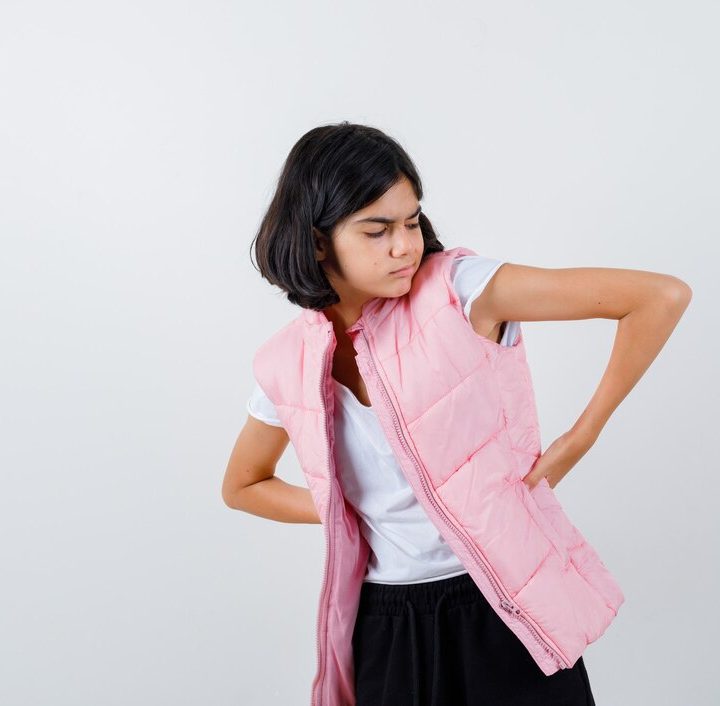
Posture and spinal alignment as they grow. Backpacks, laptops, phones and long school days load a growing spine in one direction for hours a day. Forward head posture and rounded shoulders in a twelve-year-old are worth addressing while the pattern is still easy to change.
Sport and activity complaints. Young athletes pick up overuse problems — sore hips, knees, backs and necks that come from repetition rather than a single injury. These are ordinary musculoskeletal complaints and they respond to ordinary musculoskeletal care.
Comfort and movement. Stiffness, restricted range of motion, and the aches that come with growth spurts are reasonable things to have assessed.
What we do not claim it does
Some chiropractic marketing claims that adjusting children helps asthma, allergies, digestion, ear infections, sleep, brain development or the immune system. The evidence does not support those claims, and we do not make them. If your child has asthma, recurrent infections, a developmental concern or a persistent digestive problem, that belongs with your pediatrician. We are glad to work alongside them; we are not a substitute for them.
Being straight about the boundary is not modesty. A parent who is told chiropractic will fix their child’s asthma is a parent who may delay care that actually would.
What a first visit looks like
History and a conversation with the parent, then an age-appropriate exam: posture, movement, and how the child is actually loading their body day to day. Imaging only when the exam gives a reason for it — never routinely for a child. You get the findings in plain language, including the finding that nothing needs treating, if that is the finding.
Frequently asked questions
At what age can a child be seen? There is no single cutoff, but the reason for the visit matters more than the age. Most of the children we see are school-age and older, with a posture, sport or growth-related complaint.
Does it hurt? It should not. Techniques for children are low-force, and a child who is tense or frightened is not a child we adjust.
Do you take X-rays of children? Only when the examination gives a specific clinical reason. Not as routine, and not as part of a standard workup.
What if it is not a chiropractic problem? Then we say so and refer. That happens, and it is a good outcome, not a failed visit.
Questions about whether your child’s complaint is something we should look at? Call (847) 472-1224 or book an evaluation and ask — we will tell you honestly if it is not.

Prefer to watch instead of read?
More posture tips, patient stories, and spine education on our channel — new videos all the time.
Ready to feel the difference precise care makes?
Whether your pain is brand new or something you have lived with for years, we will build a plan that actually moves you forward.