
Physical Therapy Tips for Pain Relief
Dealing with pain can be a daily challenge, whether it’s from an injury, chronic condition, or simple wear and tear on your body. Physical therapy offers a proven method to help manage and alleviate pain, promoting better movement and improved quality of life. Understanding how physical therapy works and incorporating it into your daily routine can make a significant difference in how you feel and function.
Physical therapy focuses on restoring movement and function when someone is affected by injury, illness, or disability. It involves various techniques such as exercises, manual therapy, education, and advice. By targeting specific areas of pain and weakness, physical therapy helps reduce discomfort and improve strength and flexibility.
In this article, we’ll explore the basics of physical therapy and provide you with practical tips for pain relief. You’ll learn about simple exercises that you can do at home, how to integrate physical therapy into your routine, and the ways in which chiropractic care can complement your physical therapy regimen. These combined approaches can help you manage pain more effectively and lead a more active, pain-free life.
Let’s dive into these helpful strategies for pain relief through physical therapy.
Understanding the Basics of Physical Therapy
Physical therapy is a type of healthcare aimed at helping individuals restore, enhance, or maintain their physical abilities and quality of life. This form of therapy is particularly beneficial for those dealing with pain from injuries, surgeries, or chronic conditions like arthritis. Physical therapists use a variety of methods to treat their patients, including exercises, manual therapy, and patient education.
Exercises: Physical therapists design specific exercises tailored to an individual’s needs. These exercises can help improve strength, flexibility, and range of motion. They are essential for aiding in recovery and preventing further injuries.
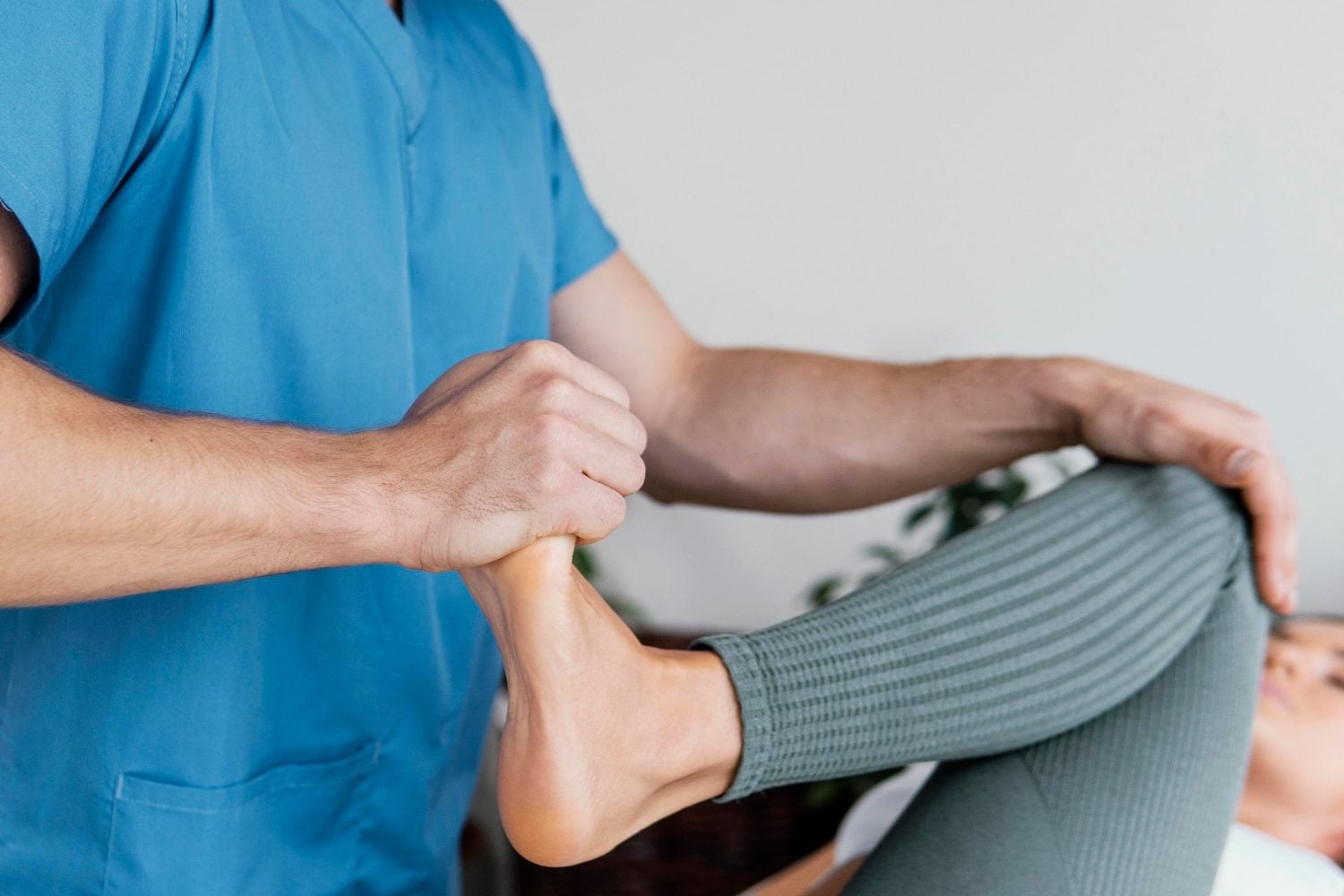
Manual Therapy: This hands-on technique involves therapists using their hands to apply pressure and move the muscles and joints. Manual therapy can help reduce pain, increase mobility, and improve blood flow to injured areas.
Patient Education: Understanding how your body works and what you can do to help it heal is an essential part of physical therapy. Therapists teach patients about proper body mechanics, posture, and movements to prevent future pain and injuries.
Physical therapy provides a non-invasive way to manage pain and improve physical function. By focusing on the body’s mechanics and personalized care, it aims to address the root causes of pain and helps patients achieve lasting relief.
Simple Physical Therapy Exercises for Pain Relief
Incorporating simple exercises into your daily routine can make a significant difference in managing and relieving pain. Here are a few physical therapy exercises that are effective and easy to perform at home:
1. Cat-Cow Stretch: This exercise helps to increase flexibility in the spine. Start on your hands and knees. Arch your back towards the ceiling for the “cat” position, then slowly dip your back towards the floor for the “cow” position. Repeat this movement 10 times.
2. Knee-to-Chest Stretch: Lie on your back with your knees bent. Bring one knee up to your chest, holding it with your hands. Hold the stretch for 15-30 seconds, then switch legs. This stretch helps relieve lower back pain by stretching the lower back and hip muscles.
3. Bridge Exercise: Lie on your back with your knees bent and feet flat on the floor. Lift your hips towards the ceiling, hold for a few seconds, and lower back down. Repeat 10-15 times. The bridge exercise strengthens your lower back, glutes, and core muscles.
4. Child’s Pose: Start on your hands and knees, then sit back onto your heels, stretching your arms out in front of you. Hold this position for 20-30 seconds. Child’s pose is excellent for stretching the lower back and relieving tension.
5. Ankle Pumps: While sitting or lying down, flex your ankles by pointing your toes up towards your head and then back down. Repeat this movement 10-15 times per foot. Ankle pumps can help improve circulation and reduce swelling in your legs.
These exercises are just a few ways to incorporate physical therapy into your pain management routine. Consistently performing these exercises can help maintain flexibility, strength, and overall physical health.
Tips for Incorporating Physical Therapy into Your Daily Routine
Making physical therapy a part of your daily routine can seem challenging at first, but with a few simple tips, it becomes much easier. Consistency is key to seeing the benefits of physical therapy, and integrating it into your daily habits can lead to better pain management and overall well-being.
Set a Schedule: Find a time each day that works best for you to do your physical therapy exercises. This could be in the morning, during lunch, or before bed. Consistently exercising at the same time daily helps form a habit.
Start Small: Don’t overwhelm yourself with too many exercises at once. Begin with a few simple exercises and gradually add more as you become comfortable. Even a few minutes each day can make a big difference over time.
Use Reminders: Set reminders on your phone or use sticky notes around your house to prompt you to do your exercises. It’s easy to forget when you’re busy, but reminders can keep you on track.
Incorporate Exercises into Daily Activities: You can integrate exercises into your daily routine in small ways. For example, do ankle pumps while watching TV or knee-to-chest stretches before getting out of bed.
Stay Motivated: Keep track of your progress by noting improvements in your pain levels and physical abilities. Celebrate small milestones to maintain motivation.
By following these tips, you can seamlessly incorporate physical therapy into your routine, helping you manage pain more effectively and improve your overall health.
How Chiropractic Care Complements Physical Therapy for Pain Relief
Chiropractic care and physical therapy can work together to provide more comprehensive pain relief. These two approaches complement each other by addressing different aspects of pain and promoting overall wellness.
Spine Alignment: Chiropractors focus on aligning the spine to reduce nerve pressure and improve body function. Proper spinal alignment can enhance the effectiveness of physical therapy exercises by allowing your body to move more freely and efficiently.
Pain Reduction: Chiropractic adjustments can decrease pain and inflammation, making it easier to perform physical therapy exercises. When pain is managed, you can engage more fully in your exercise routine, leading to better outcomes.
Holistic Approach: Both chiropractic care and physical therapy take a holistic approach to health. While physical therapy focuses on strengthening muscles and increasing flexibility, chiropractic care emphasizes spinal health and nervous system function. Combining these methods provides a well-rounded approach to pain management.
Preventative Care: Regular chiropractic visits can prevent future injuries and chronic pain conditions. By maintaining spinal health, you can reduce the risk of developing new pain issues, complementing the preventative aspects of physical therapy.
Incorporating chiropractic care with physical therapy offers an effective way to manage pain and improve overall health. Together, they provide a balanced approach that targets both the symptoms and underlying causes of pain.
Final Thoughts
Physical therapy is a valuable tool for managing and relieving pain. By understanding the basics, incorporating simple exercises, and following tips for daily integration, you can significantly improve your pain levels and overall health. Adding chiropractic care can enhance these benefits, offering a comprehensive approach to pain relief.
At Forza Chiropractic, we are dedicated to helping you achieve better health and pain relief through personalized physical therapy and chiropractic care. If you’re ready to take control of your pain and improve your quality of life, schedule an appointment with us today. Let us help you on your journey to a pain-free life.


Prefer to watch instead of read?
More posture tips, patient stories, and spine education on our channel — new videos all the time.
Ready to feel the difference precise care makes?
Whether your pain is brand new or something you have lived with for years, we will build a plan that actually moves you forward.